



Best Career Options After 12th in Bhubaneswar
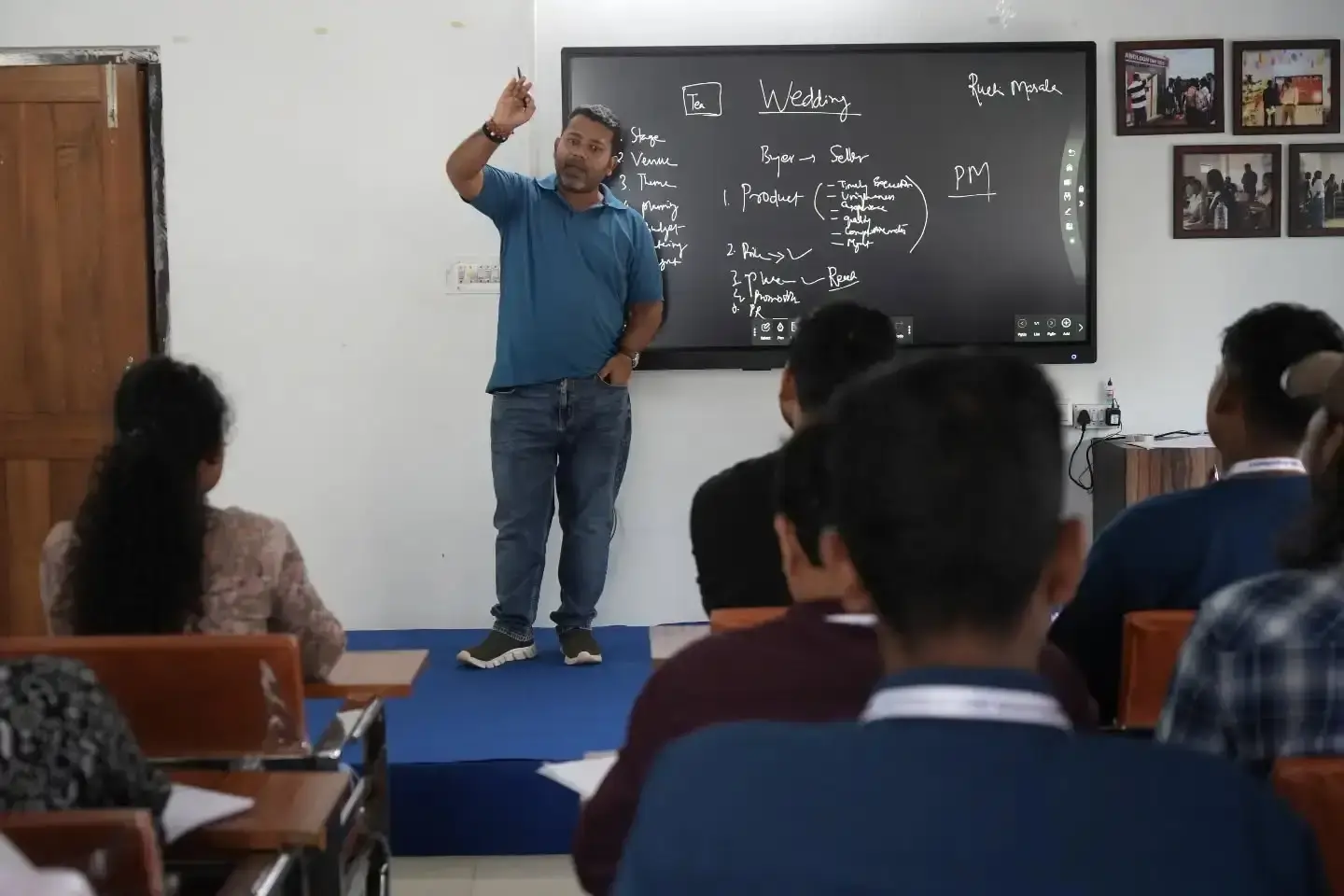
Finishing 12th grade brings a strange mix of relief and pressure. The exams are over, but suddenly everyone wants an answer to one question: “So, what’s next?” Parents talk about engineering or medicine, relatives bring up commerce and law, and somewhere in between, a lot of students quietly wonder if there’s something more suited to who they actually are.
If you’re in Bhubaneswar and weighing your options right now, this is worth reading before you lock in a decision. Event management has quietly become one of the strongest career paths for students who want to work with people, build real things, and start earning sooner rather than later.
Why Students Are Rethinking the “Traditional Degree First” Approach
For decades, the standard advice was simple — pick a stream, get a degree, then figure out the job. That path still works for some careers. But it doesn’t suit everyone, and it definitely isn’t the only route to a stable, well-paying future anymore.
A growing number of students in Bhubaneswar are choosing skill-based programmes instead. These courses are shorter, far more practical, and built around what employers are actually hiring for. Event management sits right at the top of this list because it combines creativity, business skills, and real industry exposure — all packed into a course that can be completed in a year or less.
What Makes Event Management a Strong Career Option After 12th
Odisha’s event industry has grown well beyond weddings and birthday parties. Corporate conferences, product launches, college fests, music concerts, exhibitions, sports tournaments, and government events all need trained professionals to plan and execute them. That demand has created genuine, paying opportunities for young people who know how to do the job well.
Here’s what makes it stand out as a career choice:
• Short duration, faster entry into work — most diploma and certification programmes run between 6 months to a year, so you're job-ready much sooner than a typical 3-year degree.
• Learning by doing, not just reading — students plan real events, manage vendors, handle budgets, and work under actual deadlines during their course itself.
• No single “type” of job — you can work in weddings, corporate events, sports management, exhibitions, media, or even start your own event company.
• Creative and people-focused work — if sitting at a desk all day sounds draining, this field offers movement, variety, and constant problem-solving instead.
• Low entry barrier, high growth ceiling — you don't need a specific 12th-grade stream to get in, but your income and responsibilities can grow quickly with experience.
Career Paths You Can Build in Event Management
One of the biggest misconceptions about this field is that it’s just “party planning.” In reality, it branches into several distinct career tracks, including:
• Event Coordinator or Event Manager
• Wedding Planner
• Corporate Event Executive
• Exhibition and Trade Show Manager
• Sports Event Organiser
• Brand Promotions and Marketing Executive
• Venue and Vendor Manager
• Entrepreneur running an independent event company
Each of these roles draws on a slightly different mix of skills, which is exactly why a structured course matters — it exposes you to all of them instead of leaving you to figure things out on the job with no foundation.
Skills You’ll Actually Use on the Job
Unlike a lot of theory-heavy degree programmes, event management training is built around skills you’ll use from day one of your career:
• Budgeting and cost control
• Vendor negotiation and coordination
• On-ground execution and crisis handling
• Client communication
• Marketing and social media promotion
• Team leadership and delegation
Institutes like the Global Institute of Event Management (GIEM) in Bhubaneswar are designed specifically to build these skills through live projects and hands-on training rather than classroom lectures alone. That practical grounding is often the difference between a graduate who’s ready to work and one who still needs months of on-the-job training.
How GIEM Prepares You for a Real Career, Not Just a Certificate
GIEM’s approach centres on getting students in front of real events as early as possible. Instead of learning theory for months before touching a single live project, students at GIEM work on actual event assignments, internships, and industry collaborations right from the early stages of their course.
This matters because event management is a field where employers care far more about what you’ve done than what you’ve read. A student who has helped run a fashion show, managed a stall at a trade exhibition, or coordinated logistics for a college fest walks into an interview with a portfolio, not just a certificate.
GIEM also connects students with mentors who are already working in the industry, giving them a realistic picture of how events actually come together — the planning, the last-minute chaos, and everything in between.
Is Event Management the Right Choice for You?
It helps to ask yourself a few honest questions before choosing any career path:
• Do you enjoy organising things and solving problems on the spot?
• Are you comfortable talking to new people and managing a team?
• Would you rather build something tangible than sit through years of purely theoretical study?
• Do you want to start earning and gaining experience sooner rather than later?
If your answers lean towards “yes,” event management is worth serious consideration as one of the best career options after 12th in Bhubaneswar.
Final Thoughts
Choosing a career in event management courses after 12th doesn’t have to mean picking the safest, most familiar option. Bhubaneswar’s growing events and hospitality scene has created real opportunities for young professionals willing to learn the craft properly. With the right training — the kind that puts you on actual event sites instead of just textbooks — event management can turn into a genuinely rewarding, fast-moving career.
If you’re exploring your options after 12th, it’s worth spending some time understanding what a course at an institute like GIEM actually involves, and whether it fits the kind of work life you’re picturing for yourself.
Frequently Asked Questions
1. Is event management a good career option after 12th in Bhubaneswar?
Yes. With Bhubaneswar’s events, corporate, and hospitality sectors growing steadily, trained event professionals are in demand for weddings, corporate functions, exhibitions, and entertainment shows across the city and state.
2. Do I need a specific stream in 12th to join an event management course?
No. Event management courses are open to students from Science, Commerce, and Arts backgrounds. What matters more is your interest in planning, communication, and working with people.
3. How long does it take to become job-ready in event management?
Most certification and diploma programmes, including those at GIEM, run between 6 months and a year, after which students can take up entry-level roles or internships in the industry.
4. What kind of jobs can I get after an event management course?
Graduates typically work as event coordinators, wedding planners, corporate event executives, exhibition managers, or start their own event planning business.
5. Is event management only about weddings and parties?
Not at all. It covers corporate conferences, product launches, sports events, exhibitions, college fests, brand promotions, and more — weddings are just one part of a much wider industry.
6. Why should I choose GIEM for event management training in Bhubaneswar?
GIEM focuses on hands-on learning through live projects, internships, and mentorship from industry professionals, which helps students build real experience alongside their certification rather than relying on classroom theory alone.