



Institute of Event Management: What Sets the Best Event Management Institute in Odisha Apart
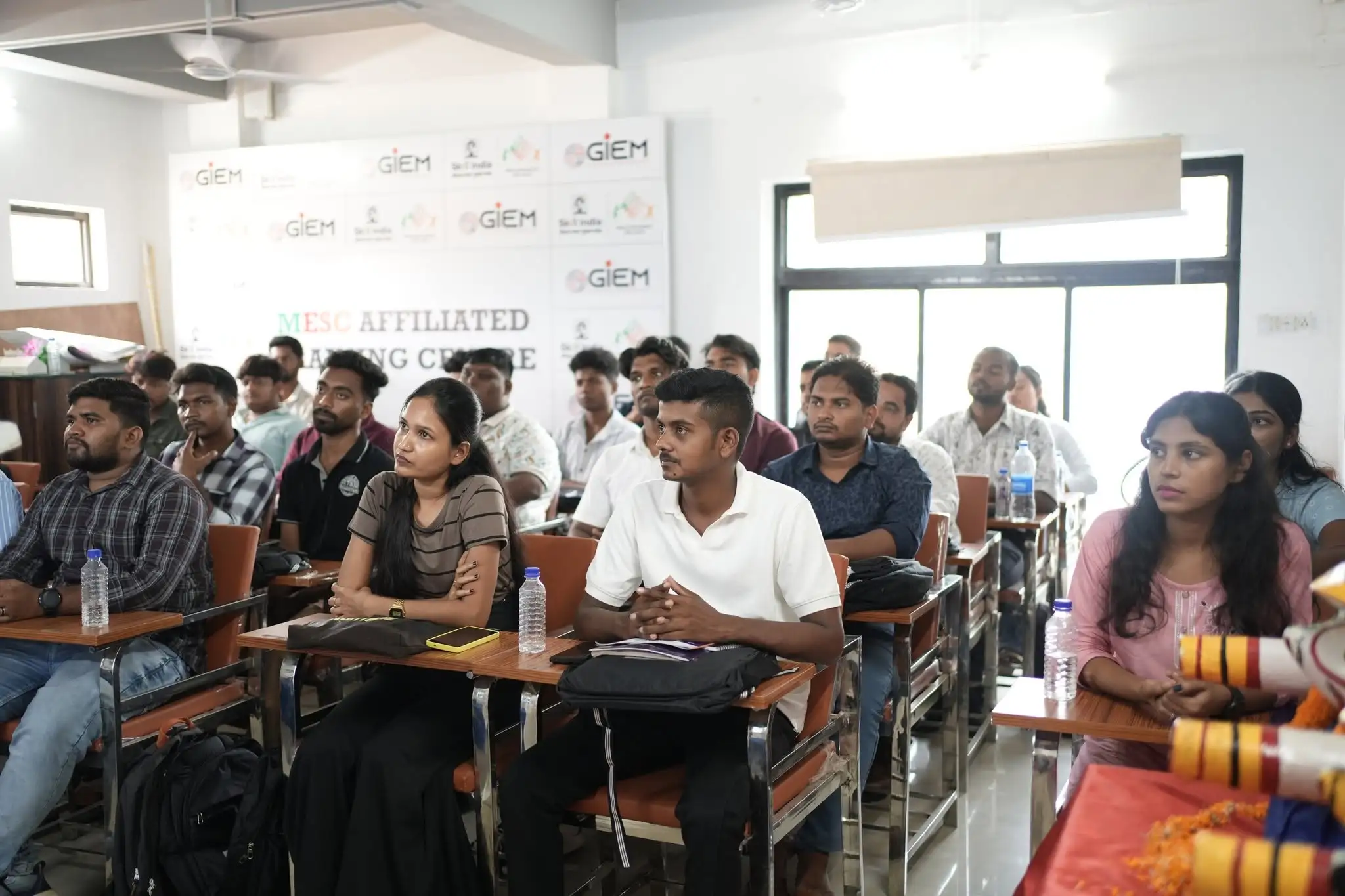
Pick ten people who work in events today, and ask them how they got there. Chances are, at least half will mention the same thing — they didn't learn the job from a textbook. They learned it by doing it, under someone who'd already made every mistake there was to make. That's really the whole point of going to an institute of event management in the first place. It's not about collecting another certificate. It's about walking into your first event with the confidence that you've already handled chaos before, in a classroom that felt a lot like the real thing.
Odisha's event industry has quietly grown into something worth paying attention to. Weddings, corporate conferences, product launches, sports meets, cultural festivals — Bhubaneswar alone hosts more of these every year than most people realise. And with that growth comes a genuine need for people who know how to plan, execute, and troubleshoot an event without falling apart when the caterer is late or the sound system dies mid-show.
What Actually Makes an Institute of Event Management Worth Joining
Not every institute that puts “event management” in its name is built the same. Before you enrol anywhere, it helps to look past the brochure and ask a few blunt questions.
Does the curriculum include live events, or is it all theory and PowerPoint slides? Do students get to work alongside professionals who are actively running shows, or are the instructors purely academic? Is there any structured internship, or are you left to figure that part out on your own after graduation?
A good institute answers all three with a yes. It treats classroom learning as the starting point, not the finish line, and pushes students into situations where they have to think on their feet — because that's exactly what the job demands once they're out there.
Why Odisha Needs More Trained Event Professionals
Bhubaneswar has turned into something of a hub for exhibitions, fashion shows, sporting events, and destination weddings over the last few years. Add in the corporate seminars, college fests, and government functions that happen year-round, and you start to see just how much demand there is for people who can manage logistics, vendors, budgets, and last-minute crises without losing their cool.
The trouble is, demand for skilled event professionals in the state has outpaced the supply of people who are actually trained for it. A lot of event teams are still built on the fly, with people learning as they go. That's exactly the gap a solid event management institute in Odisha is meant to close — by producing graduates who walk in already knowing how the industry works, not figuring it out on the client's dime.
Inside GIEM: Bhubaneswar's Event Management Institute
The Global Institute of Event Management, better known as GIEM, has built its reputation in Bhubaneswar around one simple idea — students learn best when they're actually running events, not just reading about them. Rather than sticking to lecture-hall theory, GIEM structures its programs around live projects, real client interactions, and mentorship from people who've spent years in the field.
Students at GIEM get exposure to weddings, corporate shows, fashion events, and large-scale public functions while they're still studying. That kind of exposure changes how quickly someone becomes job-ready. By the time they graduate, they've already handled vendor negotiations, tight deadlines, and the small emergencies that no textbook can fully prepare you for.
Courses Built Around What the Industry Actually Wants
GIEM offers two main programs — the Professional Certification Course in Event Design and the Advanced Program in Professional Event Management. Both are designed with one goal in mind: closing the gap between what students learn and what employers expect from a fresh hire.
The coursework covers event design, budgeting, vendor coordination, on-ground execution, and crisis management, along with the softer skills that rarely get taught elsewhere — client communication, teamwork under pressure, and staying calm when a plan falls apart halfway through the event. Students don't just learn these concepts; they practise them, repeatedly, on actual events before they ever step into a paying job.
Hands-On Training, Not Just Classroom Learning
Ask any GIEM graduate what they remember most from their time there, and it's rarely a lecture. It's usually the event they worked on — the one where the lighting vendor cancelled two hours before doors opened, or the one where they had to rearrange an entire seating plan on the spot. That's the kind of experience that sticks, and it's exactly what separates a genuinely useful event management institute from one that just hands out certificates.
GIEM's approach leans heavily on internships, live event assignments, and collaborations with organisations across Bhubaneswar, giving students a steady stream of real opportunities to apply what they've studied. It's a slower, messier way to learn than sitting through slides — but it's also the way that actually prepares someone for the industry.
Where an Event Management Career Can Take You
Event management isn't a one-track career anymore. Graduates go on to work as event planners, wedding coordinators, corporate event managers, exhibition organisers, PR and brand activation specialists, and even start their own event companies. Some move into hospitality and tourism, others into entertainment production. The skills transfer well because, at the core, every one of these roles needs someone who can plan under pressure and deliver on the day it matters.
For students in Odisha, choosing an institute close to home means access to a growing local industry, along with the flexibility to build a career here or take those skills anywhere else in the country.
Why Students Keep Choosing GIEM
At the end of the day, choosing the best event management institute in Odisha comes down to one question: will this place actually prepare you for the work? GIEM's focus on live projects, industry mentorship, and hands-on training has made it a consistent choice for students who want more than a classroom experience — they want to walk out ready to work.
If you're weighing your options for a career in events, it's worth visiting GIEM's courses page to see which program fits where you want to go.
Frequently Asked Questions
1. What is the Institute of Event Management (GIEM) known for?
GIEM, based in Bhubaneswar, is known for its hands-on approach to teaching event management. Instead of relying purely on classroom theory, it puts students on live projects and real events throughout their course, which is a big part of why it's regarded as one of the best event management institutes in Odisha.
2. Which courses does GIEM offer?
GIEM currently offers two programs — the Professional Certification Course in Event Design and the Advanced Program in Professional Event Management. Both combine practical training with industry exposure, and duration options include 6-month and 1-year formats depending on the course.
3. Do I need a specific educational background to join?
No. Students from any stream — arts, commerce, or science — can apply after completing their 12th grade or graduation. What matters more is an interest in planning, organising, and working with people under pressure.
4. Does GIEM provide internship or placement support?
Yes. Students get opportunities to intern and work on live events during their course, which helps them build a practical portfolio before they graduate. This real-world exposure is often what gives GIEM students an edge when they start applying for jobs.
5. What kind of jobs can I get after an event management course?
Graduates typically move into roles like event planner, wedding coordinator, corporate event executive, exhibition manager, or brand activation specialist. Many also go on to start their own event management ventures after gaining a few years of experience.
6. Why should I choose an event management institute in Odisha instead of studying elsewhere?
Odisha's event industry, especially around Bhubaneswar, has grown significantly in recent years. Studying locally means access to real events, local vendor networks, and internship opportunities close to home — while still building skills that are valid anywhere in the country.
7. How do I get in touch with GIEM for admissions?
You can reach out through the GIEM website or call +91 9938909533. The admissions team can walk you through course details, eligibility, and duration options.