



Earning While Learning: A Smarter Way to Enter the Event Industry
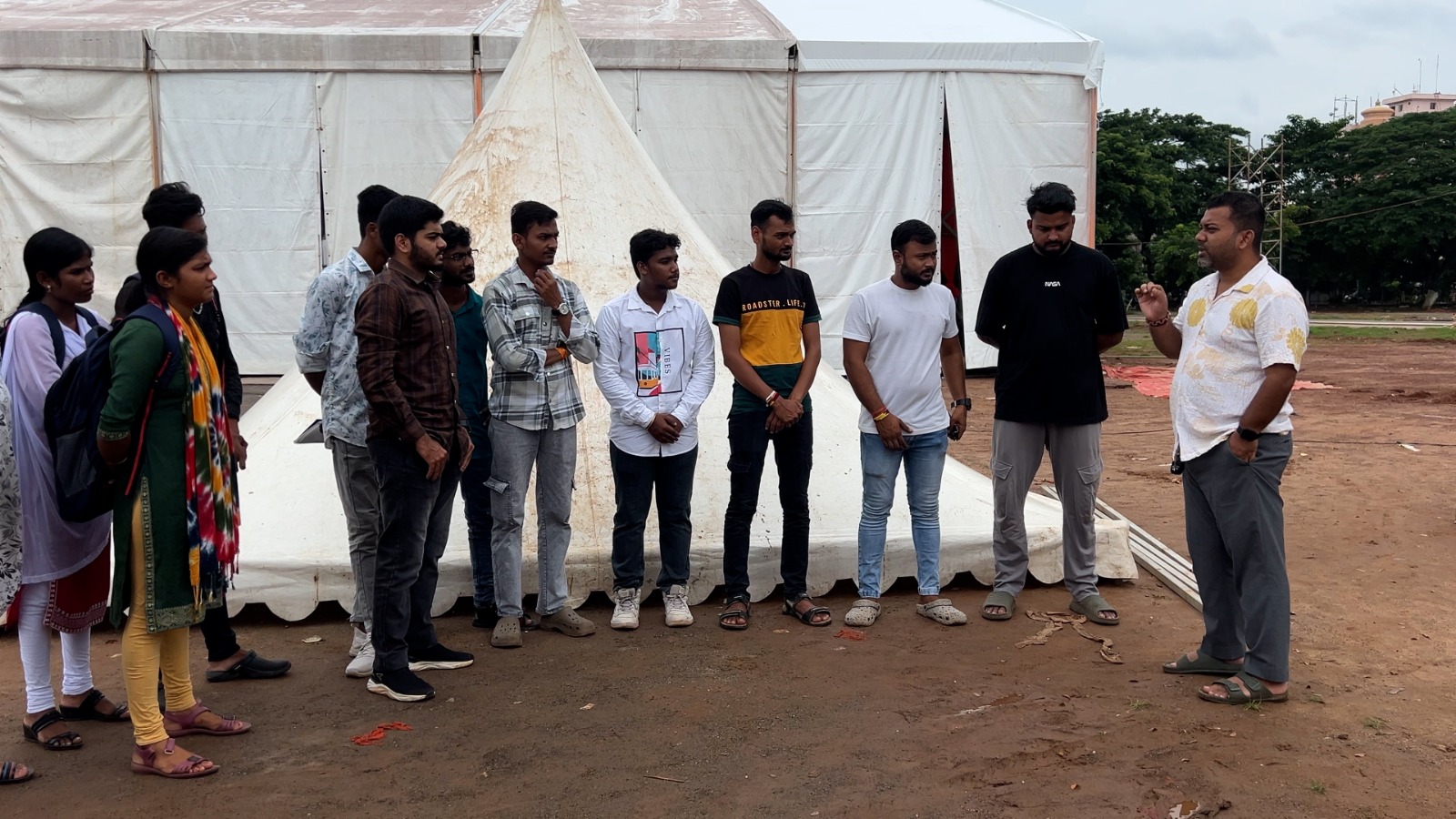
The Way Students Look at Careers is Changing
There was a time when education and work existed separately. Students spent years studying first, and only after graduating did they begin understanding how the industry actually worked. For many, this created a gap between knowledge and reality. What looked clear inside classrooms often felt completely different in professional environments.
Today, students are looking at careers differently.
They no longer want to wait years before understanding whether a field is truly right for them. They want exposure earlier. They want to learn in real environments, understand how industries function, and build confidence while they are still studying.
This shift has made one thing very important, practical experience is no longer an advantage. It has become necessary.
Why the Event Industry Works Differently
The event industry has always been built around execution. It is one thing to understand how an event is planned, and another to actually manage timelines, teams, pressure, and last-minute changes in real conditions.
This is not an industry where learning can stay limited to theory.
Real understanding comes from being on ground. From watching how teams coordinate. From seeing how a setup comes together. From handling situations where things don’t always go according to plan.
The more exposure someone gets early on, the more naturally they begin to understand the rhythm of the industry.
That is why students entering event management today are looking for something beyond traditional classrooms.
They are looking for involvement.
The Value of Learning While Working
One of the biggest advantages of practical exposure is that students stop feeling disconnected from the industry. Instead of waiting until graduation to experience professional environments for the first time, they begin building familiarity while they are still learning.
This changes confidence completely.
Students start understanding communication in real situations. They learn how coordination actually works between teams, clients, vendors, and production units. They begin to recognise the pace of the industry, the expectations, and the level of responsibility required.
And along with experience comes another important factor¬ - earning.
The idea of earning while learning is not just financially helpful. It changes the mindset of students. It creates a sense of ownership and professionalism much earlier. When students contribute to real projects and understand the value of their work, learning becomes more serious, more engaging, and more connected to reality.
Why This Matters More Today
The event industry is growing rapidly, but so are expectations.
Brands, organisations, and clients are looking for professionals who can adapt quickly and work confidently in real environments. They are not only looking for degrees. They are looking for capability.
This is why students who already have practical exposure often enter the industry with more clarity. They are not overwhelmed by the pace because they have already experienced it. They understand how live events function, how teams operate under pressure, and how execution matters just as much as planning.
In many ways, exposure has become a form of preparation that traditional learning alone cannot replace.
How GIEM Approaches Learning Differently
At the Global Institute of Event Management (GIEM), this understanding is deeply integrated into the learning process.
The focus is not only on teaching event management academically, but on helping students experience the industry while they are still studying. Through live event exposure, industry
interaction, practical involvement, and real working environments, students begin developing professional understanding much earlier.
The curriculum is designed in a way that balances academic learning with practical application. Instead of separating classrooms from industry experience, both are connected.
This allows students to understand not just how events are planned, but how they are executed under real conditions.
At the same time, opportunities to earn while learning help students step into professional spaces with greater confidence and responsibility. They are not only gaining exposure, they are actively becoming part of the industry.
Building Confidence Before Graduation
One of the biggest differences practical exposure creates is confidence.
Students who have already worked around live events, professional teams, and industry environments approach opportunities differently. They communicate more clearly, adapt more quickly, and understand expectations better because they have already seen how the industry functions from the inside.
By the time they complete their education, they are not entering an unfamiliar space for the first time. They already know what it feels like to be part of it.
A Smarter Start to the Industry
The way industries hire is changing. Experience, adaptability, and practical understanding are becoming just as valuable as academic qualifications.
In a field like event management, where execution defines success, this matters even more.
Earning while learning is no longer just an added benefit. It is becoming one of the smartest ways to prepare for the industry because it allows students to grow professionally while they are still building their education.
At GIEM, this approach is not treated as an extra opportunity. It is part of the larger vision of preparing students for the realities of the event industry in the most practical way possible.
Because learning becomes more meaningful when students are not just studying the industry. They are already experiencing it.