



GIEM Students Take on Event Management Responsibilities as Event Knowledge Partner for NAVYATA 2026
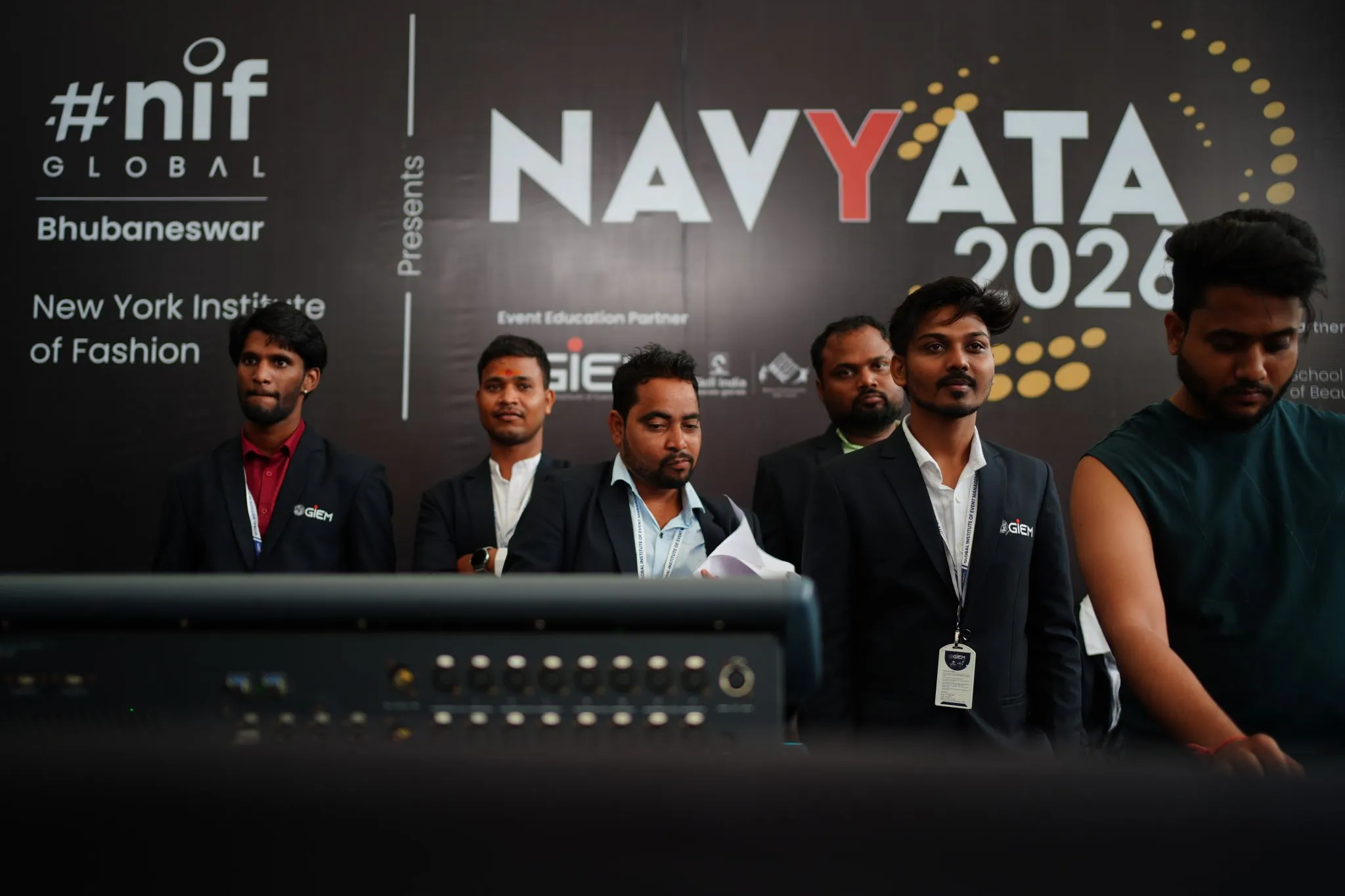
Managing a large-scale event involves much more than what the audience sees on stage. Behind every successful show are hours of planning, coordination, rehearsals and teamwork. From ensuring that participants are ready for their segments to keeping the programme on schedule, every detail matters.
For students of GIEM, NAVYATA 2026 provided an opportunity to experience this side of the event industry up close. Participating as the Event Knowledge Partner, the students took on responsibilities across different stages of the event, from pre-event preparations to live execution.
The experience allowed them to put their classroom learning into practice, work alongside different creative and production teams, and understand what it takes to bring a major event together.
Pre-Event Planning and Preparation
An organised event begins long before guests arrive. Preparation, scheduling and coordination form the foundation for everything that happens on the event day. GIEM students assisted with pre-event planning and preparations. This involved supporting schedules, coordinating requirements and helping ensure that the necessary arrangements were in place before the event began.
These responsibilities helped students appreciate the importance of preparation and clear communication. They also learned that event plans must account for multiple teams, participants and activities, each with its own requirements and timelines. The planning stage offered a valuable lesson: successful execution depends on the work completed before the event opens its doors.
Venue and On-Ground Coordination
Once preparations move to the venue, the focus shifts to making sure that everything works as planned. Different areas must be ready, teams need to know where they are expected to be, and participants must be guided through their schedules.
GIEM students supported venue arrangements, movement of teams and coordination across different event areas. Their on-ground responsibilities helped maintain order and ensured that the different parts of the event could work together.
This experience introduced students to the practical demands of venue management, where clear instructions, timely updates and attention to detail can make a significant difference.
Backstage and Runway Coordination
For a fashion event, the backstage area is just as important as the runway. Participants need to be ready at the right time, sequences must be followed, and transitions between segments need to happen without unnecessary delays.
At NAVYATA 2026, GIEM students assisted with backstage activities, sequence coordination and participant readiness. They also supported runway coordination, helping manage the order of appearances and the movement of participants throughout the show.
These responsibilities required close attention to timing and regular communication with the people involved in each segment. Students also worked with models, designers and other participants, gaining a practical understanding of how backstage operations contribute to the overall experience of a fashion show.
Coordinating Guests, Celebrities and Creative Teams
Events of this scale bring together people from different professional backgrounds. Alongside participants and models, there may be special guests, celebrities, designers, stylists and production professionals, all working towards the same programme.
GIEM students assisted with coordination related to invited guests, celebrities and other special personalities. They also worked closely with the fashion, interior design, beauty, styling and production teams.
Working across these groups helped students understand the importance of professional communication and cooperation. Each department has its own responsibilities, but its work must fit into the wider event schedule. The experience also showed students why flexibility is important when requirements change or schedules need adjustments.
Managing Show Flow and Live Event Execution
Keeping an event on schedule requires constant attention. Each segment must lead into the next, participants need to be ready, and teams must be aware of any changes that affect the programme.
GIEM students supported show flow management by helping maintain the planned schedule and coordinating transitions between different segments.
During live execution, they experienced the difference between following a plan on paper and putting it into practice. Real-time situations sometimes require quick decisions, immediate communication and adjustments to existing arrangements. This gave students practical exposure to problem-solving and decision-making in a professional event environment.
Building Professional Skills Through Practical Experience
One of the key benefits of participating in NAVYATA 2026 was the opportunity for GIEM students to develop skills that extend beyond technical event knowledge.
Working with different teams and managing responsibilities on the ground helped students strengthen several important professional skills:
• Communication: Sharing information clearly with participants, team members and coordinators.
• Teamwork: Working with people from different departments towards a common goal.
• Time management: Keeping track of schedules, deadlines and event sequences.
• Coordination: Managing multiple activities and ensuring people are in the right place at the right time.
• Problem-solving: Responding to last-minute changes and unexpected requirements.
• Adaptability: Adjusting to the demands of a live event while remaining focused on assigned responsibilities.
These skills are useful across the event industry, where professionals must balance planning, people management and execution.
Connecting Classroom Learning with Industry Practice
The experience at NAVYATA 2026 gave GIEM students an opportunity to apply what they have learned in the classroom to an actual event setting.
Instead of studying event schedules, team structures and coordination processes in theory alone, students could see how these elements work together in practice. They gained insight into the responsibilities of event professionals and the collaboration required between creative, technical and operational teams.
Working in a live environment also helped them understand the importance of accountability. Every task, whether related to backstage coordination or guest movement, contributes to the overall event experience. Such opportunities help students develop a more realistic understanding of the industry and prepare them for the expectations of professional work.
Conclusion
GIEM's participation as the Event Knowledge Partner for NAVYATA 2026 was an opportunity for students to learn through direct involvement in a professional event. From pre-event planning and venue coordination to backstage management and runway execution, they experienced the many responsibilities that go into organising a successful show.
More importantly, the experience allowed them to build practical skills, work alongside different teams and gain a better understanding of the event industry. For GIEM students, NAVYATA 2026 was not simply an event to participate in. It was an opportunity to put their learning into action and take a meaningful step towards their professional journeys.
Frequently Asked Questions (FAQs)
1. What was GIEM's role at NAVYATA 2026?
GIEM students participated as the Event Knowledge Partner for NAVYATA 2026. They assisted with event planning, coordination, backstage operations, runway management, guest coordination and live event execution.
2. What responsibilities did GIEM students handle during NAVYATA 2026?
Their responsibilities included pre-event preparation, venue arrangements, team movement, student and model coordination, backstage activities, runway sequences, guest coordination and show flow management.
3. How did NAVYATA 2026 benefit GIEM students?
The event provided practical experience in a professional setting. Students could apply classroom learning, understand event operations and develop communication, teamwork, time management and problem-solving skills.
4. Why is practical event management experience important for students?
Practical experience helps students understand how event plans are carried out in real situations. It also prepares them to handle changing schedules, coordinate with different teams and respond to challenges during live events.
5. Which professional skills can students develop through live event participation?
Students can develop communication, teamwork, organisation, time management, coordination, adaptability and decision-making skills. These abilities are valuable for careers in event management, production, fashion events and related creative industries.
6. How does participation in industry events support career preparation?
Working on a live event gives students a clearer understanding of industry expectations, professional responsibilities and team collaboration. It also helps them build confidence in applying their knowledge to real assignments.