



The Rise of the Experience Economy and Why Event Managers Are in Demand in india
A Shift from Products to Experiences
There was a time when businesses were built around what they sold. A good product or a reliable service was enough to create value. People made decisions based on utility, price, and convenience. But over the years, something subtle yet powerful has changed.
Today, people are not just buying products. They are investing in experiences.
A simple dinner is no longer just about food, it is about the ambience, the presentation, the feeling of being in that space. A brand is no longer judged only by what it offers, but by how it makes people feel. Whether it is retail, entertainment, hospitality, or even education, the focus has shifted from transaction to experience.
This shift is what defines the experience economy.
Why Experiences Matter More Than Ever
The modern audience is more aware, more connected, and more selective than ever before. With endless options available, what stands out is not just quality, but memorability. People tend to remember how something made them feel far more than what it actually was.
This is why brands are investing heavily in creating moments that go beyond the ordinary. They are looking to build emotional connections, to create environments where people feel engaged rather than just present. Experiences have become a way to stand out in a crowded market.
And creating those experiences is not accidental. It requires intention, design, and execution.
The Growing Role of Event Managers
This is where event managers step into the picture, not just as organisers, but as creators of experiences.
An event today is not simply about gathering people in one place. It is about designing an environment where every detail contributes to a larger feeling. From the way a space is structured to how an audience moves through it, from sound and lighting to timing and flow, everything plays a role.
Event managers are responsible for bringing all of this together.
They work at the intersection of creativity and execution, where ideas need to be both imaginative and practical. It is not enough to think of something interesting, it has to be delivered in real time, often under pressure, and in a way that feels seamless to the audience.
As the demand for experiences increases, so does the need for professionals who can handle this responsibility with both vision and precision.
Beyond Planning: Understanding Human Experience
What makes event management unique is that it goes beyond logistics.
It is not just about schedules, vendors, or checklists. At its core, it is about understanding people. It requires an awareness of how audiences think, how they react, and what makes an experience memorable for them.
A well-executed event feels effortless from the outside, but behind it lies a deep understanding of human behaviour. The way people enter a space, where their attention goes, what captures their interest, what keeps them engaged, all of this needs to be considered.
This is why event managers are increasingly seen as experience designers rather than just coordinators.
The Reality Behind the Demand
With brands constantly looking to create impact, the demand for event professionals has grown significantly. Product launches, brand activations, corporate gatherings, exhibitions, live performances, cultural festivals, all of these require a level of planning and execution that goes beyond basic organisation.
Each event becomes an opportunity to communicate something, to create a connection, or to leave a lasting impression.
This demand is not limited to one industry. It cuts across sectors, making event management a versatile and evolving career path. However, with this demand also comes expectation.
The industry requires individuals who can think creatively, adapt quickly, and handle pressure without losing clarity. It is a field where theoretical knowledge alone is not enough.
The Need for Practical Learning
Understanding the experience economy cannot be achieved through theory alone. It requires exposure to real environments, real audiences, and real challenges. Learning in this field comes from doing.
It comes from being part of a process where things do not always go as planned, from handling last-minute changes, from coordinating multiple elements at once, and still ensuring that the final outcome feels smooth and well put together.
This is why the way event management is taught becomes crucial.
How GIEM Prepares Students for the Experience Economy
At the Global Institute of Event Management (GIEM), this shift in the industry is clearly understood.
The focus is not just on explaining how events are managed, but on helping students experience the process themselves. The approach integrates learning with practical exposure, allowing students to understand the realities of the industry while they are still in the learning phase.
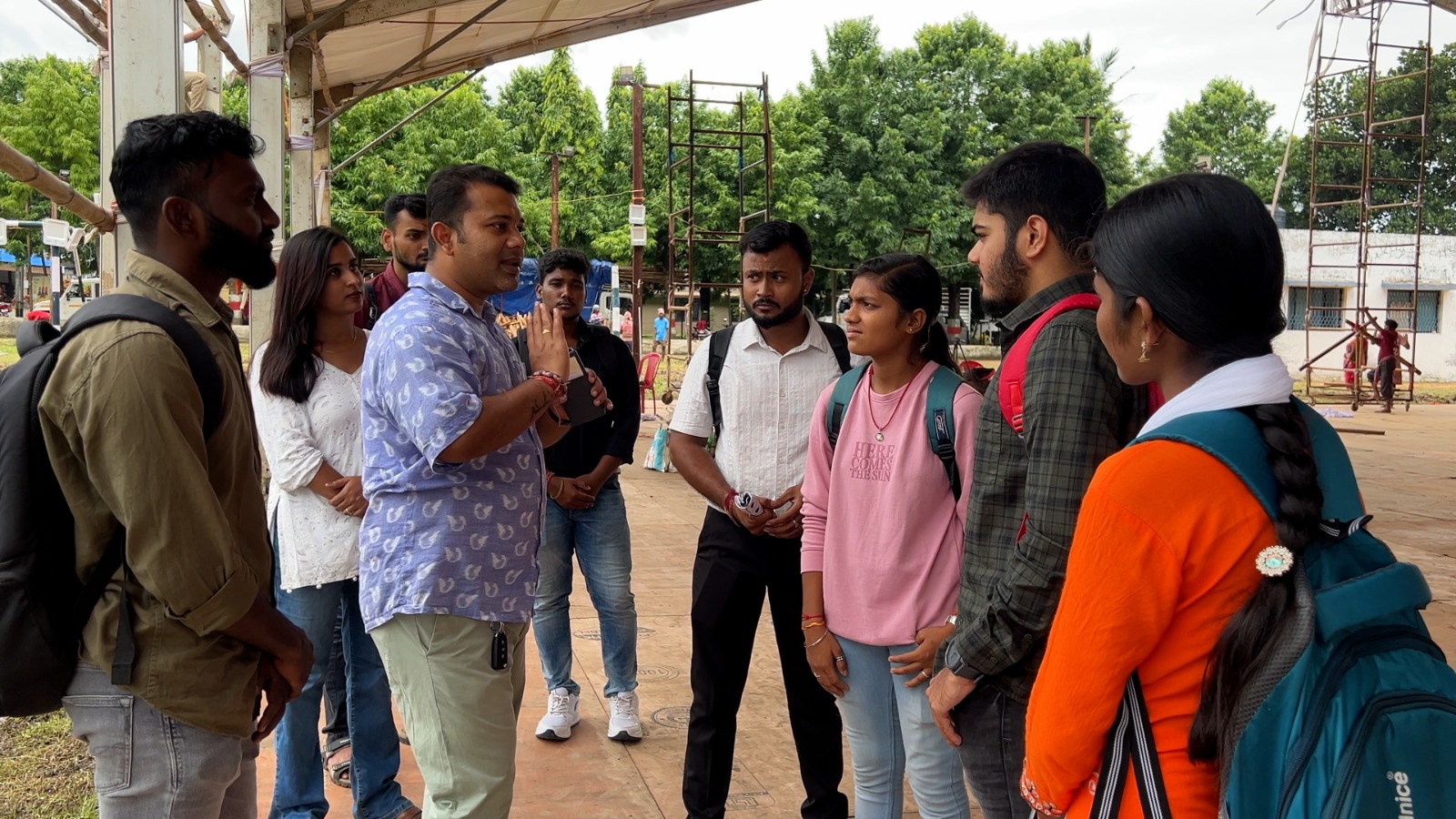
Students are introduced to real scenarios where they can observe, participate, and contribute. They begin to understand how ideas are translated into execution, how planning adapts to changing situations, and how attention to detail shapes the overall experience.
This method of learning helps build confidence and clarity.
Instead of entering the industry with only theoretical knowledge, students step in with a sense of familiarity. They understand the pace, the expectations, and the challenges that define the profession.
Building Professionals Who Can Create Impact
What sets this approach apart is the focus on developing both creative and practical skills.
Event management requires the ability to think differently while also staying grounded in execution. At GIEM, students are encouraged to explore ideas, but also to understand how those ideas can be realistically delivered.
They learn how to manage time, coordinate teams, communicate effectively, and stay composed under pressure. These are not just industry skills, they are capabilities that shape how individuals work and grow in any professional environment.
Over time, this creates professionals who are not just capable of managing events, but of creating experiences that leave an impact.
A Future Built on Experiences
As industries continue to evolve, the importance of experiences will only grow stronger. People will continue to seek engagement, connection, and meaning in what they consume and participate in.
In this environment, event management will play an increasingly important role.
It will not just be about organising gatherings, but about shaping how people experience brands, spaces, and moments.
And as this demand grows, so will the need for individuals who are prepared to meet it with both creativity and competence.
Conclusion
The experience economy is not a trend, it is a shift in how value is created and perceived.
It has changed the way businesses think, the way audiences engage, and the way careers are evolving. Event managers stand at the centre of this shift, responsible for turning ideas into experiences that people remember.
At GIEM, the focus is on preparing students for exactly this reality.
By combining practical exposure with a strong understanding of the industry, GIEM ensures that its students are not just learning about event management, but are ready to be a part of the experience economy itself.
Because in today’s world, creating an experience is no longer optional. It is essential.
Admissions open. Join the Future Today.