



Top Career Opportunities After an Event Management Course
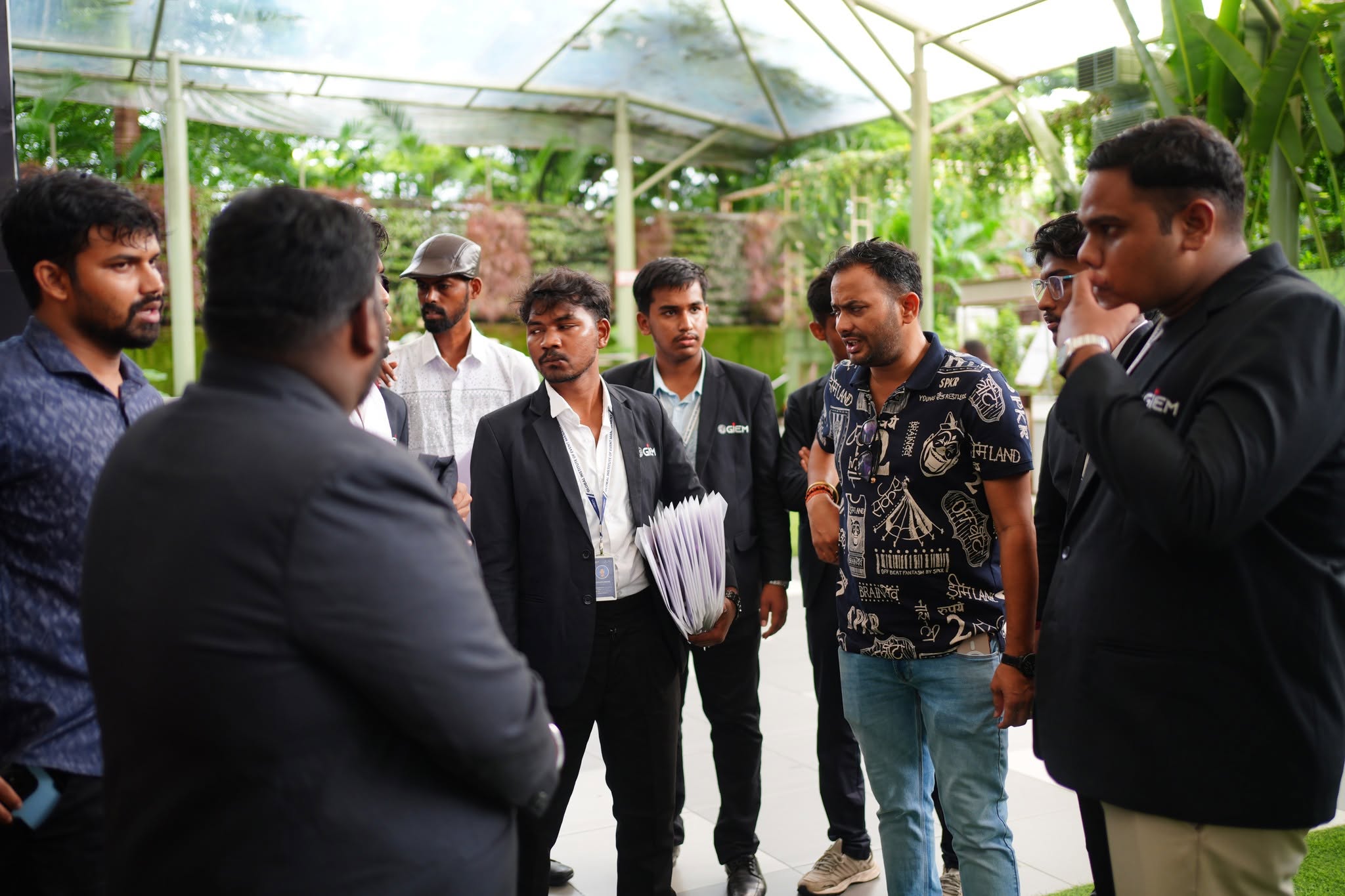
Have you ever wondered who is behind a grand wedding, a successful corporate conference, a music concert or a large-scale fashion show?
Every successful event involves professionals who plan, coordinate and manage different activities to bring an idea to life. From selecting venues and managing budgets to coordinating vendors and handling guests, event management involves several responsibilities.With the variety of events organised by businesses, brands, institutions and entertainment companies, event management offers multiple career paths for individuals interested in creativity, planning and working with people.
For students who have completed Class 12, graduates and aspiring professionals in Odisha, an event management course can be a way to explore this exciting industry.
But what jobs can you pursue after completing an event management course?
Let's explore the top career opportunities, their responsibilities and the skills required to build a career in this field.
1. Event Manager
An Event Manager is responsible for planning, organising and executing events from beginning to end.This role involves coordinating different teams, managing budgets, communicating with clients and ensuring that every part of an event runs according to plan.
Key Responsibilities:
• Planning and managing different types of events.
• Coordinating with clients, vendors and event teams.
• Preparing event budgets and timelines.
• Managing event logistics and operations.
• Supervising on-site event execution.
Where Can You Work?
Event management companies, corporate organisations, wedding planning agencies, entertainment companies and independent event businesses.
2. Wedding Planner
Wedding planning is one of the specialised career paths within the event industry.
A Wedding Planner helps couples organise their wedding celebrations, from selecting venues and coordinating decorations to managing catering, entertainment and guest arrangements. With weddings involving multiple functions, vendors and logistical requirements, professional coordination plays an important role.
Key Responsibilities:
• Planning wedding functions and ceremonies.
• Coordinating decorators, caterers and other vendors.
• Managing wedding budgets and schedules.
• Supervising venue preparation and arrangements.
• Ensuring smooth coordination throughout wedding celebrations.
Where Can You Work?
Wedding planning companies, destination wedding agencies, hospitality businesses or your own wedding planning venture.
3. Corporate Event Executive
Businesses organise events to communicate with employees, connect with customers, introduce products and build professional relationships.
A Corporate Event Executive helps organise these business-related activities and ensures that all arrangements meet the company's requirements.
Key Responsibilities:
• Organising conferences, seminars and business meetings.
• Coordinating product launches and brand events.
• Managing venue bookings and event schedules.
• Communicating with corporate clients and vendors.
• Supervising event logistics and execution.
Where Can You Work?
Corporate companies, event management agencies, marketing agencies, business organisations and production companies.
4. Event Production Coordinator
Behind every successful stage show, concert or large-scale event is a production team responsible for managing technical and operational requirements.
An Event Production Coordinator helps organise the technical setup and ensures that different production elements work together.
Key Responsibilities:
• Coordinating stage and venue arrangements.
• Managing lighting, sound and audiovisual requirements.
• Working with technical teams and production vendors.
• Monitoring event setup and breakdown.
• Supporting backstage operations and event execution.
Where Can You Work?
Event production companies, concert organisers, entertainment agencies, television production houses and live event companies.
5. Exhibition and Trade Show Manager
Exhibitions and trade shows bring businesses, brands, professionals and customers together.
An Exhibition Manager coordinates the planning and execution of these events, ensuring that exhibitors, visitors and organisers have a smooth experience.
Key Responsibilities:
• Planning exhibitions and trade shows.
• Coordinating stall layouts and venue arrangements.
• Managing exhibitor communication.
• Supervising installation and event operations.
• Coordinating logistics and visitor management.
Where Can You Work?
Exhibition companies, trade fair organisers, business associations, event agencies and convention centres.
6. Brand Activation and Event Marketing Executive
Brands organise promotional activities to introduce products, engage customers and improve brand visibility.
A Brand Activation Executive helps develop and execute promotional campaigns through events, experiences and on-ground activities.
Key Responsibilities:
• Planning brand promotional activities.
• Coordinating product launches and promotional events.
• Managing brand stalls and consumer engagement activities.
• Working with marketing and creative teams.
• Monitoring event execution and campaign activities.
Where Can You Work?
Advertising agencies, digital marketing agencies, experiential marketing companies, FMCG brands and event management organisations.
7. Entertainment and Concert Event Coordinator
Music concerts, celebrity appearances, cultural festivals and entertainment shows require extensive planning and coordination.
An Entertainment Event Coordinator supports the execution of these programmes by managing artists, production teams, schedules and event operations.
Key Responsibilities:
• Coordinating artist and performer requirements.
• Managing event schedules and backstage arrangements.
• Supporting stage and production operations.
• Coordinating with event organisers and technical teams.
• Managing event-day activities.
Where Can You Work?
Entertainment companies, concert organisers, talent management agencies, production houses and live event agencies.
8. Sports Event Coordinator
Sports tournaments, marathons, championships and other sporting events require professionals who can manage logistics, participants, schedules and event operations.
A Sports Event Coordinator helps ensure that sporting activities are organised efficiently.
Key Responsibilities:
• Coordinating sports tournaments and competitions.
• Managing participant registrations.
• Organising venue and equipment requirements.
• Coordinating with teams, officials and sponsors.
• Managing event schedules and operations.
Where Can You Work?
Sports management companies, sports associations, event agencies, fitness organisations and tournament organisers.
9. MICE Event Professional
MICE stands for Meetings, Incentives, Conferences and Exhibitions.
This specialised segment focuses on organising business meetings, professional conferences, incentive travel programmes and exhibitions.
Professionals in this area coordinate multiple aspects of business and professional events.
Key Responsibilities:
• Organising business conferences and meetings.
• Coordinating corporate travel and accommodation.
• Managing exhibition and conference logistics.
• Communicating with delegates and business clients.
• Coordinating venue, hospitality and technical arrangements.
Where Can You Work?
MICE companies, corporate event agencies, destination management companies, hotels and convention centres.
10. Event Entrepreneur
If you enjoy managing projects and building your own business, event entrepreneurship can be another career direction.
After gaining industry knowledge, practical experience and professional connections, you can explore starting your own event management company.
Possible Business Opportunities:
• Wedding planning services.
• Corporate event management.
• Birthday and social event planning.
• Exhibition and conference management.
• Stage and production services.
• Brand activation and promotional events.
Running an event business requires creativity, financial planning, client management, negotiation and team coordination.
Building experience before starting independently can help you understand the industry's practical requirements.
What Skills Do You Need to Build a Career in Event Management?
Having an interest in organising events is a good starting point, but professional event management requires several practical and interpersonal skills.
Some important skills include:
1. Communication Skills: Understanding client requirements and coordinating with different people.
2. Planning and Organisation: Managing event schedules, tasks and responsibilities.
3. Budget Management: Understanding expenses, cost planning and financial requirements.
4. Team Management: Working with different teams and coordinating responsibilities.
5. Problem-Solving: Handling unexpected challenges during event preparation and execution.
6. Negotiation Skills: Communicating with vendors, suppliers and service providers.
7. Creativity: Developing concepts and ideas that make events engaging and memorable.
8. Leadership: Taking responsibility and ensuring that different teams work towards a common objective.
These skills can be developed through structured learning, practical assignments, internships and real event experiences.
Is Event Management a Good Career Option in Odisha?
Odisha offers opportunities to explore different areas of the event industry.
Bhubaneswar, Cuttack, Puri, Rourkela and other cities host different types of social, cultural, corporate, educational and entertainment events.
From weddings and fashion shows to corporate conferences, exhibitions, festivals and promotional activities, these events require planning, coordination and execution.
Students in Odisha can explore career opportunities with:
• Event management companies.
• Wedding planning agencies.
• Corporate organisations.
• Advertising and marketing agencies.
• Entertainment and production companies.
• Exhibition and conference organisers.
• Hospitality and destination management businesses.
The availability of opportunities depends on industry requirements, professional skills, practical experience and networking.
For aspiring professionals, understanding the event industry and gaining hands-on experience can be an important step towards building a career.
How Can an Event Management Course Help You?
An event management course introduces students to the different responsibilities involved in planning and executing events.
Instead of learning only about event concepts, students can develop an understanding of production, operations, budgeting, vendor management, marketing and client coordination.
At the Global Institute of Event Management (GIEM), Bhubaneswar, students can explore professional programmes designed around different aspects of the event industry.
GIEM offers two programmes:
1. Professional Certification Course in Event Design
• Duration: 6 Months.
• Focus areas: Event Management, Production and Operations, Business Development Skills and Financial Management.
2. Advanced Program in Professional Event Management
• Duration: 12 Months.
• Focus areas: Event Management, Production and Operations, Business Development Skills, Financial Management and Brand Management.
The programmes are designed to provide students with an understanding of event planning and professional operations.
GIEM also emphasises practical learning through live event projects and industry-related exposure, helping students understand how events are managed beyond the classroom.
The institute offers programmes with Skill India and MESC affiliation. Students can contact the admissions team for details about course eligibility, certification and programme structure.
Why Choose GIEM for Event Management Education in Bhubaneswar?
For students looking to explore event management education in Odisha, choosing an institute that combines structured learning with practical exposure is important.
The Global Institute of Event Management (GIEM), Bhubaneswar, focuses on preparing aspiring professionals for different areas of the event industry.
Students get opportunities to understand event planning, production, operations, business development and financial management.
The institute also focuses on:
• Learning from experienced industry professionals.
• Practical exposure through live events and projects.
• Understanding event production and operations.
• Developing communication and management skills.
• Exploring internship and placement assistance opportunities.
GIEM aims to help students build the knowledge and practical understanding required to explore different career opportunities in the event industry.
Frequently Asked Questions About Career Opportunities After an Event Management Course
1. What jobs can I get after completing an event management course?
You can explore roles such as Event Coordinator, Event Manager, Wedding Planner, Corporate Event Executive, Production Coordinator, Exhibition Manager, Brand Activation Executive and Sports Event Coordinator.
2. Is event management a good career after 12th?
Yes. Students interested in creativity, planning, communication and organising activities can explore event management as a career option after Class 12. Course eligibility depends on the institute and programme.
3. Can I start my own event management business after completing a course?
Yes. With suitable industry knowledge, practical experience, professional connections and business planning, you can explore starting your own event management company.
4. What are the different sectors in event management?
The industry includes weddings, corporate events, exhibitions, entertainment, concerts, sports events, festivals, conferences, MICE and brand activations.
5. What skills are required to become an event manager?
Important skills include communication, organisation, budgeting, teamwork, leadership, negotiation, creativity and problem-solving.
6. How long does an event management course take?
Course duration depends on the programme. GIEM, Bhubaneswar, offers a 6-month Professional Certification Course in Event Design and a 12-month Advanced Program in Professional Event Management.
7. Where can I study event management in Bhubaneswar?
Students interested in professional event management education can explore the programmes offered by the Global Institute of Event Management (GIEM), located in IRC Village, Nayapalli, Bhubaneswar.
Visit https://www.giem.in/ to learn more.
Start Building Your Career in the Event Industry with GIEM
Every successful event begins with an idea, but bringing that idea to life requires planning, creativity, teamwork and professional execution.
If you enjoy organising activities, working with people and managing creative projects, event management could be a career path worth exploring.
For aspiring event professionals in Odisha, the right education and practical exposure can help build a foundation for future opportunities.
Explore Event Management Courses at the Global Institute of Event Management (GIEM), Bhubaneswar.
Website: https://www.giem.in/
Contact: +91 9938909533
Address: 3rd Floor, N-1/289, IRC Village, Nayapalli, Bhubaneswar, Odisha – 751015.