



Want to Work in Events? Here Are the Roles You Should Know About
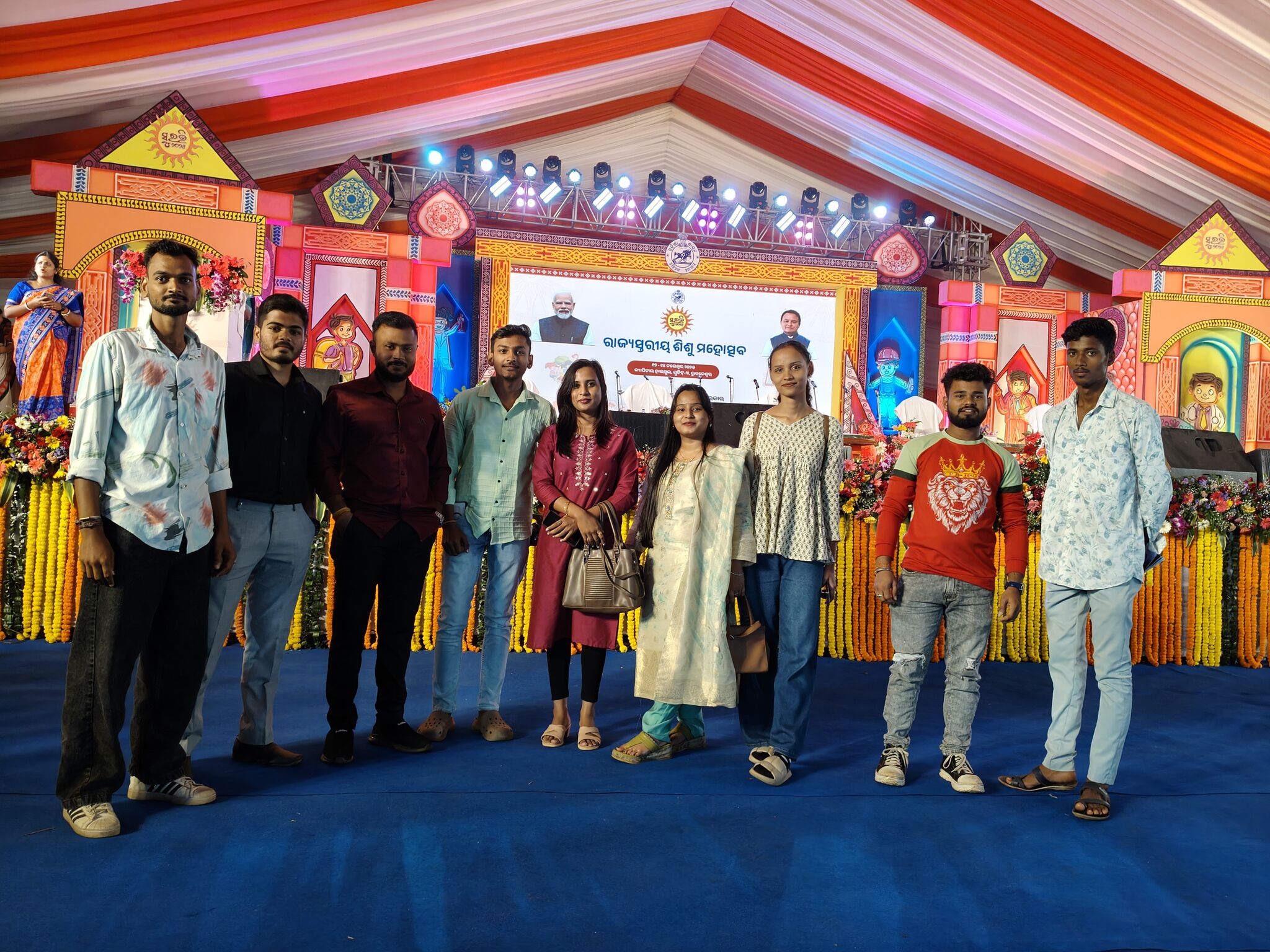
More now than at any other time in history, the event landscape is alive with creativity, innovation, and unique experiences. An "event" can now refer to a company kickoff or development conference, a wedding reception, a music festival or concert tour, an influencer product launch, or even an international trade show. Events themselves - no matter the type - have evolved to be large-scale productions with full teams working behind the scenes. If you have ever dreamed about working in the events sector and are unsure what and where you would fit in, you are not alone. The industry is full of roles - creative, technical, management, logistics, and everything in between. There is a place for you in event management regardless of whether you are a people person, an artist, a strategist, or love technology. Here's a look at some of the most important roles that are in demand if you are planning on pursuing a career in this exciting industry.
Event Planner - Event Manager
An event planner is at the center of any project. An event planner collaborates with the client brief and the event concept, manages the production and delivery, and ensures post-event wrap-up. This person has communication skills, the ability to project manage, the ability to think out of the box, the ability to multi-task, and leadership skills, etc. In addition to planning, an event manager has to work with the vendors, the budget, the timeline, and the team to ensure all parts are lined up for a successful event on the day of the actual event.
Creative Director - Event Designer
If you're a visual thinker who enjoys creating designs and ideas in your mind that become beautiful forms, this position is for you. Event designers usually create or fashion themes and décor, design stages, and a teaser for the experience and even venue lights; in other words, the whole "look" for the event. Event designers work closely with clients and production teams to produce a holistic experience for emotionally impactful events for the participant.
Production Manager
The production manager guarantees that the technical components of the event occur. They hang lights, run sound systems, set up LED walls, communicate with special effects, design the stage, or run the backstage elements. It is a great role for someone who likes technology and being behind the curtain to check off things that should work.
Logistics & Operations Coordinator
This position is about all the small pieces that put an event into operation, like transportation, vendor communication, item worksheets, safety, timelines and personnel. If you are highly organized and love problem-solving, logistics is essential to a successful event.
Client Servicing & Relationship Manager
This is the communication link between the client and the event team. Client servicing professionals know how to read client needs, facilitate approvals, give updates, as well as cultivate a strong long-term relationship. This is a role that is not for the shy of heart, but rather someone who enjoys multitasking with people and managing the expectations of the client.
Marketing & Social Media Coordinator
Today, events thrive on their online presence. Social media managers and marketers advertise the event, run advertisements that seek ticket sales, work with their list of influencers, and create content before, during, and after the event. This role itself has become necessary in today's digital era.
Artist & Talent Manager
Talent managers directly work with artists, musicians, speakers, or celebrities for entertainment based events, and they are responsible for the travel plans, rehearsal, schedule, hospitality, and stage requirements. This isn’t a very easy role; it’s basically a fast-paced and dynamic role, which suits people who enjoy and stay focused in an energized atmosphere.
Hospitality & Guest Experience Lead
The guest experience is important in the way an event is remembered. A handle on hospitality manages guest registration, seating, VIP care, guest assistance, catering coordination, and overall comfort of the guests attending. The goal is to provide every guest with a seamless and enjoyable experience.
Vendor & Supplier Manager
Events depend on many vendors functioning together. Vendor managers the responsible for who negotiating with suppliers, ensuring the timely arrival of items, and also checking for quality and making sure it stays within the given budget. Vendor managers play a vital and indispensable role in the event production process and need to be skilled negotiators and communicators.
Event Photographer & Videographer
Visual storytelling today is the most important component of modern events. Photographers and videographers document every single detail around décor, behind-the-scenes action, stage performances, and participant engagement. Their content becomes quite essential for marketing, branding, and social media, which helps to maximize the event footfall.
How GIEM Helps You Build a Career in These Roles
If you are interested in these career paths but not sure what you would do first, GIEM (Global Institute of Event Management) is a great starting point. GIEM is an institution intended for the next generation of professionals in the events industry and has designed a curriculum that effectively covers creativity, technology, hands-on experience, and mentorship in the profession.
At GIEM, students experience real events, engage with leading industry experts, and learn through practical assignments that each incorporate a variety of professional project experiences. The program prepares students for every major role in the event industry, whether you want to be an event planner, designer, producer, client manager, or marketing professional.
With the partnership of the industry through workshops and internship opportunities paired with the newest technologies in events, GIEM prepares you to leave your event education not only with your skill set and confidence, but also with an attractive portfolio to walk into the industry. As the events industry continues to develop and change, GIEM prepares students to be future-oriented, adapt to trends, and grow meaningful careers in one of the fastest-growing industries.