



Why Modern Event Managers Must Understand Audience Experience Design
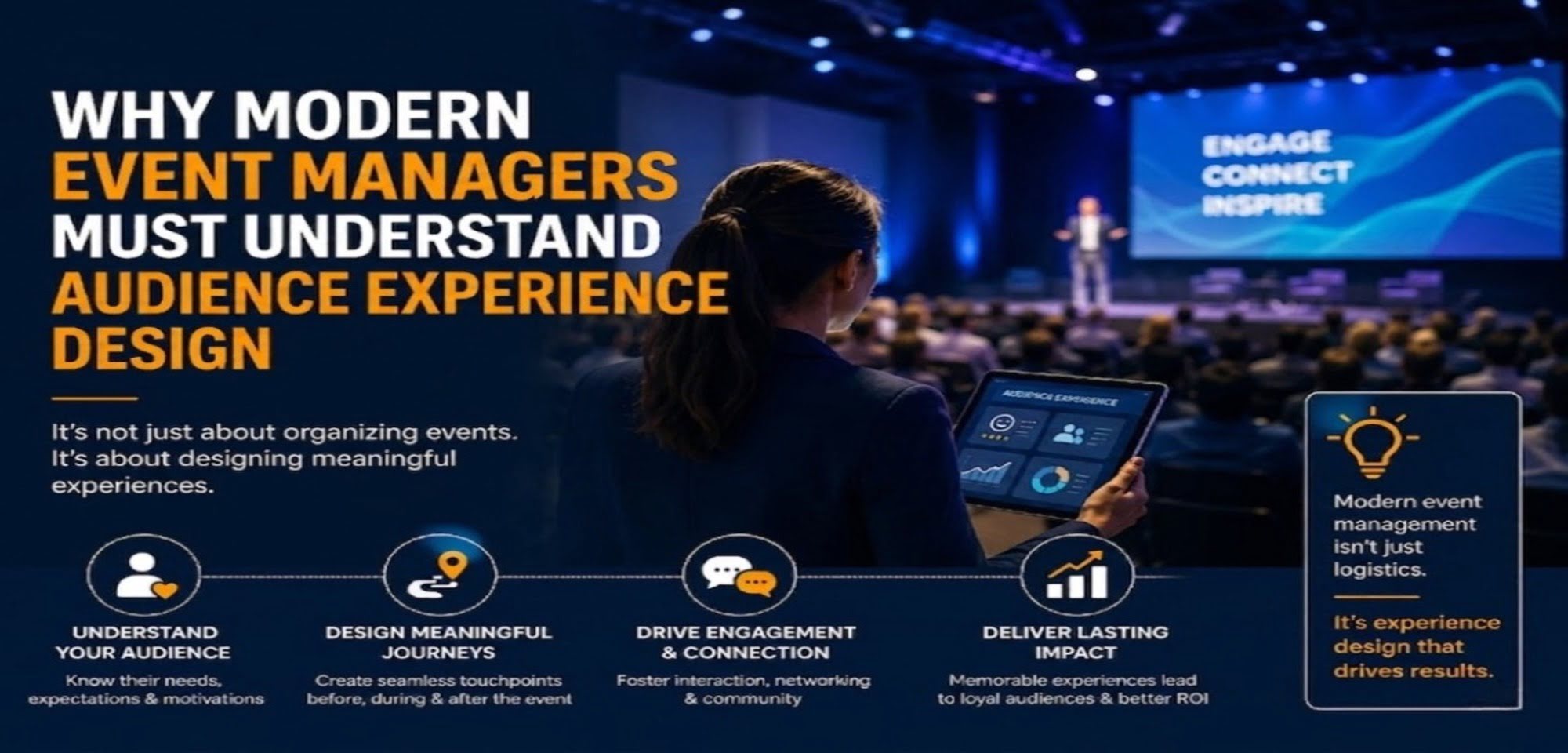
The event industry has undergone a huge transformation in the last ten years. The success of an event is no longer determined solely by logistics, decoration or celebrity appearances. Audiences now expect an immersive, customised, emotional and shareable experience.
Whether the event is a corporate meeting, a high-end wedding, a music festival, a brand activation or a cultural event, audiences are now much more sophisticated. This evolution has led to the development of audience experience design as one of the most crucial skills for event professionals.
In light of the changing dynamics of the event industry, leading event management institutes must equip their students with knowledge not only of event planning, but also of audience psychology, engagement strategy and experiential design. Organisations such as GIEM are helping the next generation of event professionals meet current industry standards by providing industry-driven learning and event education.
Event Management Is No Longer Just About Coordination
Historically, event management focused primarily on operational aspects such as:
●venue management
●vendor coordination
●scheduling
●logistics
●budget handling
●guest management
While these skills are still important, the audience's experience during and after an event is also crucial for its success.
Today’s attendees want:
●interactive experiences
●emotional engagement
●personalised moments
●social media-worthy environments
●seamless attendee journeys
Event planners must go beyond organising and start thinking about how to create memorable experiences.
What is Audience Experience Design?
Audience experience design involves designing events around audience emotions, engagement, interaction and the overall journey.
Modern event managers think beyond the mere execuion of the event and consider:
●How visitors engage with different areas
●The emotional impact on visitors from start to finish.
●Safety and ease for the audience
●Sensory experiences
●Social media opportunities for engagement
●Memorable touchpoints
Lighting, music, digital interaction and event pacing all impact the audience's emotional response to an event. This growing industry focus is changing the way modern Institutes of Event
Management educate event managers.
Why Audience Expectations Have Changed
Digital culture and social media are two of the main reasons why audience experience design is so important. Today's viewers are constantly confronted with:
●Luxury events online
●Viral event content
●Instagram-worthy experiences
●Interactive brand activations
●Influencer-led event trends
This has led to a new set of expectations: events must be visually stimulating, immersive and memorable.
Attendees no longer just want to attend events. They want to:
●participate
●share experiences online
●feel emotionally connected
●interact with interactive components
This change has transformed the event management sector into a more creative, experience-based industry.
Social Media Has Redefined Event Experiences
Social media has transformed the way events are created and experienced. The following are considered to be indicators of success for today's events:
●Audience engagement
●Social sharing
●Visual impact
●Online reach
●Digital impressions
Event spaces are now designed with social media in mind.
Common event features include:
●Interactive installations
●Branded photo zones
●Creative lighting concepts
●Immersive stage setups
●Digital audience interaction
Modern event planners must know how to make physical events digital, whether on Instagram, YouTube or TikTok. That is why institutions like GIEM are increasingly emphasising creative, branding and audience engagement trends in modern industries.
Emotional Engagement Is Becoming More Important
An emotional connection is one of the key factors in designing an audience experience. People remember experiences based on their emotions. Successful events today often generate:
●excitement
●inspiration
●entertainment
●comfort
●community connection
●personal relevance
To make the most of audience reactions, modern event managers need to understand the psychology of their guests. This requires creativity, the ability to tell a story, and knowledge of attendee behaviour.
Technology Is Changing Audience Interaction
Nowadays, technology plays a significant role in event experiences. Today, more and more events are employing the following:
●digital registration systems
●interactive event apps
●augmented reality experiences
●live audience polling
●LED visual environments
●hybrid event technology
These tools can enrich the experience of attendees.
As technology advances, it is becoming increasingly important for future event managers to understand how to effectively combine technology with creative event design. The industry's growing demand is shaping the career preparation of every major Institute of Event Management in Odisha.
Why Modern Event Education Must Evolve
The role of an event manager involves much more than just handling business. Event managers now need to know:
●Audience behaviour
●Branding and storytelling
●Experiential marketing
●Digital engagement
●Creative direction
●Technology integration
This means that event education must change to meet industry expectations, as well as being flexible enough to meet the needs of both the industry and event attendees.
Students are now provided with learning opportunities to expose them to:
●real event scenarios
●industry trends
●audience engagement strategies
●practical project experience
●modern event technologies
This modern educational model is reflected in GIEM, where students gain insight into the evolving relationship between events, brands, technology, and audience experience.
Experience Design Creates Competitive Advantage
These days, merely executing a technical event isn't enough to make it stand out in the industry. Things that go well tend to do so because they create a memorable experience for attendees and generate:
●positive emotional reactions
●social media visibility
●strong audience participation
●lasting brand impressions
This is especially important for:
●Corporate events
●Luxury weddings
●Brand activations
●Entertainment events
●Experiential marketing campaigns
Today's event managers are better equipped to design memorable events for modern audiences.
Why GIEM Supports Modern Event Industry Learning
The event industry is changing quickly, so students need an education that aligns with current industry standards and expectations rather than previous event planning methods.
GIEM remains one of the most progressive institutes of event management in Odisha due to its emphasis on:
●Industry-relevant learning
●Practical event exposure
●Creative event concepts
●Modern event technologies
●Audience-focused event planning
●Career-oriented training
They teach their students how to apply creative, psychological, branding and experience design elements, which are becoming increasingly integral to modern event management.
Conclusion
Event management is no longer just about organising successful events. Today, it's more about creating meaningful experiences that resonate with audiences on emotional, visual, and digital levels.
With social media, technology and experiential trends constantly influencing audiences, event professionals must be aware of how to create better experiences for their audiences.
This is changing the future of event education. In today's world, every event management institute should educate students to prepare them for a world in which creativity, engagement and immersive experiences are as integral to the event industry as logistics and coordination.
FAQs
1. What is audience experience design in event management?
Audience experience design focuses on creating emotionally engaging, interactive, and memorable experiences for event attendees.
2. Why is audience experience important in modern events?
Modern audiences expect immersive and engaging experiences rather than simply attending traditional events passively.
3. How has social media changed event management?
Social media has increased demand for visually engaging, interactive, and shareable event experiences that generate online engagement.
4. Why must modern event managers understand technology?
Technology now plays a major role in audience interaction, digital engagement, hybrid events, and immersive event experiences.
5. Why choose an Institute of Event Management Odisha like GIEM?
GIEM provides industry-focused learning, practical exposure, and modern event education designed to prepare students for today’s evolving event industry.